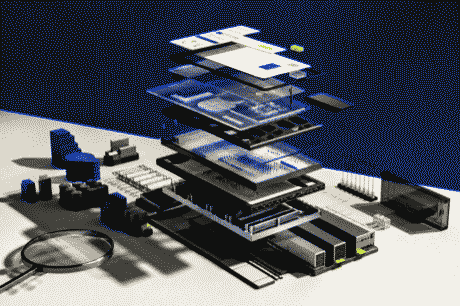
A dithered plate of an exploded product model: interface sheets floating above boards, enclosures, and server hardware.

Build software ready for real use.

We plan, design, build, test, and launch web products, mobile apps, internal platforms, portals, and AI-enabled software. One team owns the work from the first product decision through production handover.

Discuss a product build

One team owns the complete product.

Product direction, interface design, application code, data, infrastructure, and testing are planned together. You do not have to coordinate separate suppliers for the visible product and the systems underneath it.

DirectionProduct strategyInterfaceUX and designSurfaceWeb and mobileLogicBackend, data, APIsRuntimeCloud and releaseAssuranceQA and observability
Direction
Product strategyUsers, business model, scope, success measures, and the assumptions to test first.
Interface
UX and designResearch, information architecture, flows, prototypes, accessibility, design system.
Surface
Web and mobileFast, accessible interfaces for responsive web, iOS, Android, and cross-platform.
Logic
Backend, data, APIsService architecture, data models, permissions, payments, integrations, MCP servers.
Runtime
Cloud and releaseEnvironments, CI/CD, secrets, migrations, monitoring, backups, performance.
Assurance
QA and observabilityAutomated and exploratory testing, security review, error tracking, analytics.

What we build.

Choose the closest match. A project can combine more than one of these product types.

Customer-facing web products

SaaS applications, self-service portals, marketplaces, account areas, and subscription products built for daily operation.

Surface
Responsive web
Core
Accounts · workflows · billing

Mobile apps

Native and cross-platform iOS and Android products with offline behaviour, capture, notifications, payments, and reliable sync.

Surface
iOS · Android
Core
Offline · device APIs · sync

Internal platforms

Purpose-built software for operations, scheduling, case management, field work, and approvals that generic tools cannot hold.

Surface
Role-based workspace
Core
Operations · reporting · control

Portals connecting customers, partners, and teams

Products that put customers, partners, and internal teams on the same record, across payments, CRM, ERP, and identity.

Surface
Multi-role product
Core
APIs · identity · integrations

AI-enabled software

Document handling, grounded search, copilots, and multimodal input built into the product workflow, with clear checks and human review where needed.

Surface
AI inside the workflow
Core
Models · retrieval · evaluation

Agent-ready software and MCP

Selected data and actions exposed to AI assistants through MCP servers, with auth, permissions, typed tools, and audit logs.

Surface
MCP server · client
Core
Tools · resources · access control

How a first engagement is typically structured.

The percentages show a typical allocation, not a fixed formula. We adjust the balance to the product, risks, and work already completed.

  1. 01Shape12%

    The user, the problem, the first release, and how you will know it worked.

  2. 02Prototype14%

    The critical flows and the risky technical assumptions, tested before the full build.

  3. 03Engineer44%

    Design and code in one loop, shipping usable increments rather than a reveal at the end.

  4. 04Launch16%

    Data, environments, support, analytics, rollout, and the release procedure itself.

  5. 05Improve14%

    Production behaviour decides what earns the next release.

When clients bring us in.

  • New productYou have an idea or a process that needs its first real product.
  • Prototype to productionIt works, but it cannot carry customers, security, or growth.
  • Rebuild or rescueIt exists and it is slow to change, unreliable, or expensive to run.
  • Embedded deliveryYour team needs senior design and engineering capacity for a release.

Products built and running in production.

All case studies

What you own at handover.

Ownership is planned from the start. Your team receives the code, accounts, documentation, design assets, monitoring, and operating instructions needed to run and improve the product.

  • Source codeYours, with the intellectual property
  • Cloud environmentsAccounts and infrastructure access
  • DocumentationArchitecture, API, and data models
  • Design systemReusable interface components
  • ObservabilityAnalytics, monitoring, dashboards
  • PlaybooksRelease, maintenance, and incident

Tell us what you need the software to do.

You do not need a specification. Tell us who will use it, what they need to accomplish, and what is not working today. We will propose a practical first release.